
How Long Does An Online Divorce Process Typically Last?
Posted by Steven Miller in Online Divorce on September 11, 2026
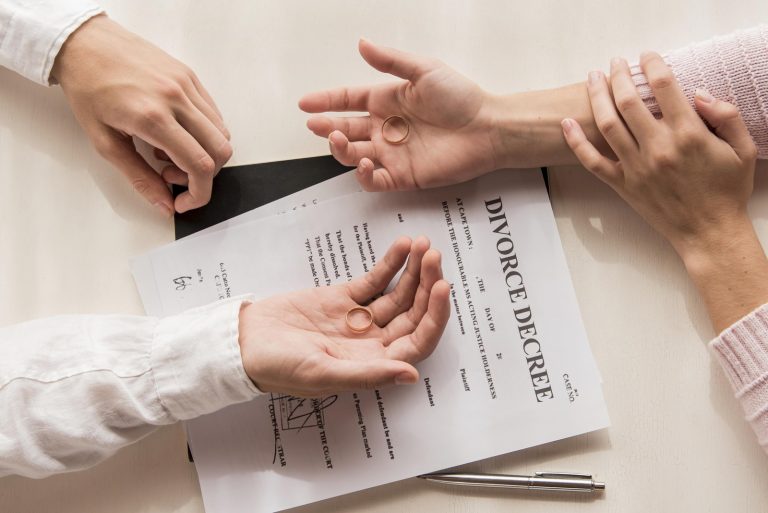
An online divorce moves through the same legal steps as a traditional case, just handled through video calls and electronic filing instead of in-person visits. Uncontested cases typically finalize in about 30 days from filing, while contested disputes over custody, property, or support add months to the timeline. Is online divorce legitimate comes down to meeting Florida’s legal requirements, not the format used to handle the paperwork.
How long does an online divorce take compared to the traditional courthouse route? The honest answer depends heavily on cooperation between spouses rather than the technology used to file paperwork.
An uncontested case with no disagreements can wrap up in about a month, while a contested one involving custody or property disputes stretches across several months or longer. Knowing what affects that timeline helps set realistic expectations before the first document gets filed.
Contact Steven D. Miller, P.A. to discuss your situation and learn about your available options.
Is Online Divorce Legitimate?
Florida courts treat e-filed petitions, video consultations, and electronically signed documents the same as anything submitted on paper at the courthouse. Judges sign final judgments based on the content of the filing, regardless of how the paperwork got there.
This same legal standing applies to spouses who hire an attorney and to those who file paperwork independently through the state’s approved forms. The format changes the experience of getting divorced, not the legal weight of the outcome.
How Long an Online Divorce Takes
How long an online divorce takes breaks down into two very different answers depending on the type of case. Florida uncontested divorces, where both spouses agree on every term, typically finalize within 30 days of filing since Florida law requires at least 20 days between filing and final judgment.
Contested cases take considerably longer, often three months to a year or more, because of added steps like discovery, mediation, and court hearings.
Why Contested Cases Take Longer Online Too
Moving a case online doesn’t erase the extra steps that come with a contested divorce. Discovery still requires exchanging financial records and sometimes scheduling depositions, all of which take time regardless of the format used. Mediation, often required before a case goes to trial, adds another session to the calendar and depends on both spouses’ availability.
If mediation doesn’t resolve every issue, a trial date gets scheduled, and court calendars in busier counties can push that date out several more months. The technology speeds up paperwork, but it can’t shortcut the legal steps built into a contested case.
Factors That Affect the Timeline
A handful of variables push the timeline in one direction or the other:
Agreement Between Spouses – Full agreement moves a case through court far faster than ongoing disputes over property, custody, or support.
Children Involved – Cases with children require a parenting plan and parenting class completion, adding steps to the process.
Court Backlog – Busier counties sometimes push hearing dates further out, regardless of how prepared both spouses are.
Document Readiness – Missing financial affidavits or incomplete forms delay filing until everything gets corrected and resubmitted.
Response Time – Slow email replies or delayed signatures on either side stretch out a timeline that could otherwise move quickly.
Typical Timeline Breakdown
Here’s roughly how the schedule unfolds for a cooperative, uncontested case:
Initial Consultation – Usually completed within a day or two of first reaching out, covering the basics of the case.
Document Preparation – Petitions, financial affidavits, and settlement agreements typically get drafted within two to three business days.
Signing and Notarization – Spouses review, sign, and notarize documents, a step that can happen the same week if both sides respond quickly.
Filing With the Court – Once documents are complete, the case gets filed electronically, starting the mandatory 20-day waiting period.
Final Judgment – A judge signs off around 30 days after filing for uncontested cases, sometimes without requiring either spouse to appear.
When it’s time to leave . . . Call Steve.
Divorce and family law issues do not have to be overwhelming. Steven D. Miller, P.A. helps clients understand their legal options, address the issues in their cases, and move through the divorce process with straightforward guidance.
Our approach focuses on clear communication, practical information, and legal services tailored to the needs of each client.
Contact us to discuss your circumstances and learn how we may be able to assist.

Steven D. Miller, P.A.
Florida Divorce Attorneys
What Can Speed Up or Slow Down the Process
Responding quickly to document requests and staying organized with financial records keeps a case moving without unnecessary delays. On the other hand, disagreements that surface after filing, missing signatures, or an unresponsive spouse can add weeks or months to what started as a straightforward case.
Choosing the no-hearing option, when available, also shaves time off the schedule by skipping an in-person court date entirely. Even small gaps in communication between spouses tend to snowball into bigger delays the longer they go unresolved.
How We Keep Your Florida Online Divorce on Schedule
At Steven D. Miller, P.A., our divorce attorneys in Florida prepare documents quickly and keep clients informed at every stage so an online divorce doesn’t drag on longer than it needs to. Clients working with our firm get a clear timeline from the first conversation, along with regular updates as the case moves through filing, signing, and final judgment.
We handle cases remotely for clients who prefer that route, while still meeting in person or by phone with anyone who wants that option instead. Flat-fee pricing means the cost stays the same regardless of how the process unfolds. We also flag potential delays early, like missing signatures or incomplete forms, so nothing catches a client off guard partway through.
Every client gets a direct line to ask questions as the case moves along, instead of waiting days for a callback. Reach out to our office today and let’s get a realistic timeline built around your specific situation.
FAQs
How long does an online divorce take if both spouses agree on everything?
Most uncontested cases finalize in about 30 days from filing, since Florida law requires at least 20 days before a judge can sign the final judgment, though the exact date depends on how quickly the clerk’s office processes the paperwork in a given county.
Is online divorce legitimate for cases involving children?
Yes. Cases with children still go through the same court process, just handled remotely, and include the added step of a required parenting class, which both parents typically complete online through an approved provider before the case finalizes.
Can a slow-responding spouse delay an online divorce timeline?
Yes. Missing signatures or delayed responses to document requests can stretch out even a simple, uncontested case well beyond the typical 30-day timeline, which is why staying responsive to requests from your attorney makes a bigger difference than the format of the case.
Ready to move on?
Schedule your free consultation
with Steven D. Miller, P.A. today
Steven D. Miller, P.A.
With over three decades of experience, Steven D. Miller is a Florida family law attorney who focuses on straightforward legal guidance and affordable, flat-fee divorce services. Based in Plantation, Florida, he helps clients navigate divorce and related family law matters throughout the state.
