
What Is a Divorce Petition?
Posted by Steven Miller in Divorce Archives on March 15, 2026
Key Takeaways
- A divorce petition is the document that officially starts a divorce case in Florida.
- In Florida, this document is called a Petition for Dissolution of Marriage and is filed in circuit court.
- The petition includes basic information about the marriage and explains what each spouse is asking the court to decide.
- The other spouse must be formally served and usually has 20 days to respond in writing.
- If no response is filed, the court can move forward and make decisions without that spouse’s input.
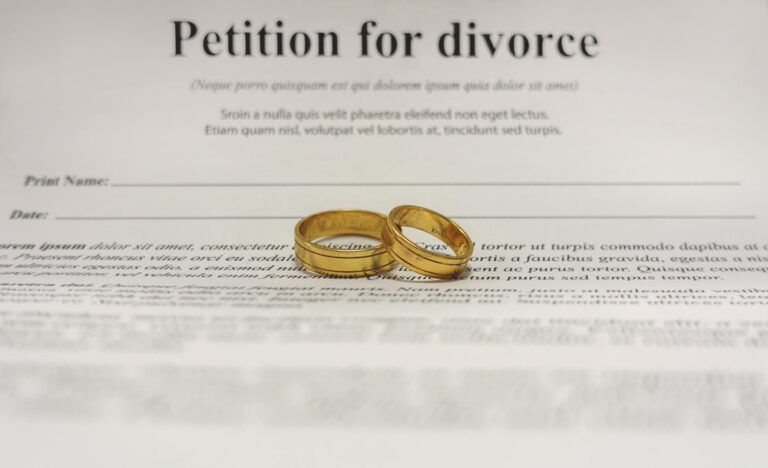
A Florida divorce does not begin with a hearing in front of a judge; it begins with paperwork filed in circuit court, and that first filing usually brings up the same question: “What is a divorce petition?” In practical terms, this document opens the case and formally asks the court to end the marriage while outlining the spouses’ names, the date of marriage, and what each side wants decided regarding property, children, and financial support.
Some states refer to this document as a divorce complaint, and Florida calls it a Petition for Dissolution of Marriage. One spouse files it in the local circuit court, alleging that the marriage has suffered an irretrievable breakdown and asking the judge to resolve issues such as asset division, alimony, and parental responsibility.
Once filed, the court gains jurisdiction over the marriage, the issues come into focus, and the divorce moves forward under Florida law, which is why we explain to clients at Steven Miller that this filing sets the tone for everything that follows.
Contact Steven D. Miller, P.A. to discuss your situation and learn about your available options.
Common Legal Terms Found in Divorce Petitions
Because the petition establishes the framework of the divorce, understanding its terminology prevents confusion later in the case. Several recurring terms appear in nearly every Florida dissolution filing. The following definitions explain the most common language found in divorce petitions:
- Petition: The formal court filing that begins the divorce case and states the relief the filing spouse requests.
- Petitioner: The spouse who files the petition and initiates the legal proceeding.
- Respondent: The spouse who receives the petition and has the right to answer.
- Service of Process: The legally required delivery of the petition and summons to the respondent, ensuring proper notice before the court proceeds.
These roles work together within the divorce process, since the petitioner initiates the action and the respondent must receive lawful notice before judicial authority fully attaches.
Filing a Divorce Petition in Florida
Florida Statute Section 61.043 explains that a divorce begins when one spouse files a petition in circuit court titled “In re the marriage of” the parties and properly serves the other spouse with both the petition and a summons, following the same service rules used in civil cases, and once the clerk assigns a case number, financial disclosure duties, mediation requirements, and response deadlines begin shaping how the case develops, making careful drafting essential because the petition ultimately shapes the issues the court will decide.
Florida Requirements for Filing a Divorce Petition
Before filing, at least one spouse must satisfy Florida’s six-month residency requirement so the court has authority to dissolve the marriage. The petition must also include the key facts and legal information the court needs to confirm jurisdiction and review the requested relief, and a properly prepared Florida divorce petition typically addresses the following:
- Residency Basis: Confirmation that one spouse has resided in Florida for at least six months before filing.
- Grounds for Dissolution: Statement that the marriage is irretrievably broken or a legally recognized incapacity applies.
- Children of the Marriage: Identification of minor children and proposed arrangements regarding parental responsibility and time-sharing.
- Marital Assets and Debts: Framework for equitable distribution of property and liabilities.
- Support Requests: Claims for alimony or related financial relief when applicable.
Careful preparation reduces ambiguity and supports efficient negotiation.
When it’s time to leave . . . Call Steve.
Divorce and family law issues do not have to be overwhelming. Steven D. Miller, P.A. helps clients understand their legal options, address the issues in their cases, and move through the divorce process with straightforward guidance.
Our approach focuses on clear communication, practical information, and legal services tailored to the needs of each client.
Contact us to discuss your circumstances and learn how we may be able to assist.

Steven D. Miller, P.A.
Florida Divorce Attorneys
What Is the “Prayer” in a Divorce Petition?
As the petition shifts from background facts to requested outcomes, the final section becomes especially important. The “prayer” refers to the portion of the petition where the petitioner lists the specific court orders requested in the divorce case. That section may seek dissolution of the marriage, approval of a parenting plan, allocation of debts, division of assets, name restoration, or awards of support and attorney’s fees. Because the prayer defines the requested relief, judges and opposing counsel examine it closely during negotiations or hearings.
What Happens After the Divorce Petition Is Filed?
After filing and proper service, the case shifts from paperwork to action as deadlines begin to run, financial disclosures must be exchanged, and many Florida courts require mediation before a judge schedules a trial, with some divorces resolving quickly when both spouses agree on the terms while others require hearings to address parenting time, support, or asset division, all guided by the structure set out in the petition.
How Do You Serve a Divorce Petition?
Although filing activates the case, formal service ensures fairness by providing the respondent with lawful notice. Service requires delivering the petition and summons through a legally approved method, most often by a sheriff or certified process server. Without proper service, the court cannot issue binding orders affecting property rights or parental responsibilities.
Common Issues That Can Arise When Serving Divorce Papers
While service may appear procedural, practical complications sometimes arise. Common service challenges include:
- Avoidance: A spouse deliberately evades attempts at personal delivery.
- Unknown Location: The petitioner lacks reliable address information and must conduct a diligent search to locate the address.
- Out-of-State Service: The respondent resides outside Florida, requiring additional coordination.
Addressing these obstacles promptly helps prevent unnecessary delay.
Ready to move on?
Schedule your free consultation
with Steven D. Miller, P.A. today
How Do You Respond to a Divorce Petition?
Once service occurs, the respondent must act promptly, and understanding “What is a divorce petition?” also means understanding that Florida Rule of Civil Procedure 1.140 requires a written answer within 20 days after service of the original process, unless another statute provides a different deadline. Filing an answer preserves the ability to admit or deny allegations and may also include a counterpetition seeking alternative relief, allowing the respondent to present independent requests to the court.
What Are the Consequences of Not Answering the Petition?
When a respondent fails to answer within the required timeframe, the petitioner may seek entry of a default judgment, which permits the court to proceed without the respondent’s participation and can significantly restrict the ability to contest the requested relief. Although courts still evaluate legal sufficiency, missing the deadline reduces strategic flexibility.
Contact a Florida Family Law Attorney to Guide You Through the Divorce Process
Understanding “What is a divorce petition?” gives you a clearer starting point, and knowing how to move forward makes a real difference, which is why at Steven Miller, we guide clients throughout Florida through each stage of the divorce process while helping protect financial stability and parental rights along the way. Call 877-348-3354 to discuss your situation and your next steps.
Steven D. Miller, P.A.
With over three decades of experience, Steven D. Miller is a Florida family law attorney who focuses on straightforward legal guidance and affordable, flat-fee divorce services. Based in Plantation, Florida, he helps clients navigate divorce and related family law matters throughout the state.
