
Your Step-By-Step Guide To Filing For Uncontested Divorce
Posted by Steven Miller in Uncontested Divorce Archives on September 15, 2026
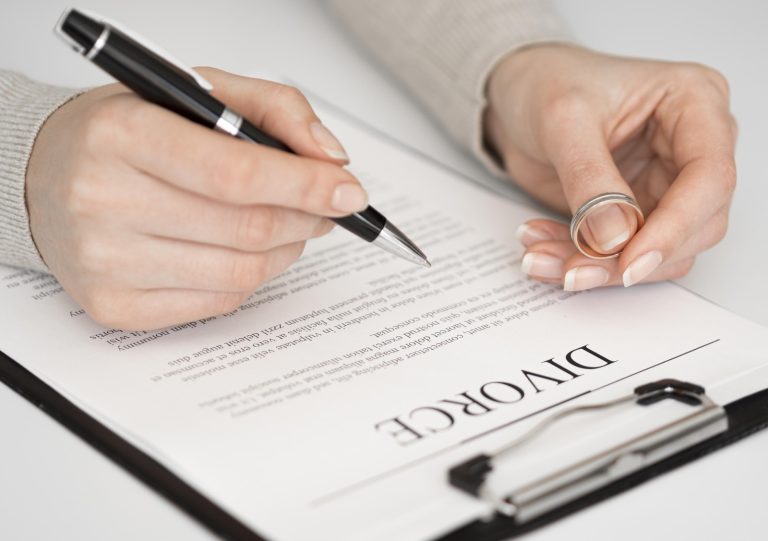
An uncontested divorce can make ending a marriage faster and less expensive when both spouses agree on every major issue. This guide walks through Florida residency, settlement terms, required paperwork, child-related requirements, filing, and the 20-day waiting period. Steven D. Miller, P.A. helps clients statewide handle these steps with straightforward, flat-fee guidance.
If you plan to file for uncontested divorce in Florida, getting the agreement right before the paperwork starts can save time, money, and frustration. A simple uncontested divorce works when both spouses agree that the marriage is over and have settled every issue the court must address. The process is more straightforward than contested litigation, but “uncontested” does not mean paperwork-free.
Contact Steven D. Miller, P.A. to discuss your situation and learn about your available options.
What Makes a Florida Divorce Uncontested?
An uncontested divorce means neither spouse is asking a judge to decide the terms of the breakup. You should already agree on how to divide marital property and debts, whether alimony will be paid, and any other financial issues. If minor children are involved, you also need agreement on parental responsibility, time-sharing, child support, and other child-related terms.
A couple can have an uncontested divorce even with children or significant assets, as long as every required issue is resolved. Florida’s simplified dissolution procedure is a separate, narrower option with additional eligibility rules.
Step 1: Confirm Florida Residency and Basic Requirements
Florida law requires at least one spouse to have lived in the state for six months before the petition is filed. The marriage must also be irretrievably broken. Before filing, confirm that you meet the current Florida divorce requirements and that you and your spouse truly agree on the terms.
If a disagreement remains over property, debt, alimony, parenting, or support, the case is not fully uncontested. Filing before those details are resolved can create delays and added expense.
Step 2: Put Your Agreement in Writing
Next, turn your decisions into clear written terms. A marital settlement agreement can address assets and liabilities, debts, alimony if applicable, and other financial matters. It should clearly state who receives, pays, transfers, or refinances what. Tell us the terms and we will take care of the rest.
If You Have Minor Children
An uncontested divorce in Florida with child-related issues requires additional planning. Parents generally need a parenting plan that addresses time-sharing and decision-making, along with the information necessary to calculate child support under Florida’s guidelines. Both parents are also generally required to complete the state-approved Parent Education and Family Stabilization Course before final judgment, unless excused by the court.
Step 3: Prepare and File the Required Forms
The filing package depends on whether you have minor children, property, support issues, and other circumstances. It commonly includes a petition for dissolution of marriage, a settlement agreement, financial documents, and case-specific forms. Cases involving children may also require a parenting plan, child support worksheet, and additional affidavits.
Give us the details and we’ll do the rest.
When it’s time to leave . . . Call Steve.
Divorce and family law issues do not have to be overwhelming. Steven D. Miller, P.A. helps clients understand their legal options, address the issues in their cases, and move through the divorce process with straightforward guidance.
Our approach focuses on clear communication, practical information, and legal services tailored to the needs of each client.
Contact us to discuss your circumstances and learn how we may be able to assist.

Steven D. Miller, P.A.
Florida Divorce Attorneys
Step 4: Complete Service or the Appropriate Response
Service of process – the formal delivery of documents to the other party – is not required in an uncontested Florida divorce.
Step 5: Wait for the Court to Finalize the Divorce
Florida generally requires at least 20 days between filing the divorce petition and entering a final judgment. A uncontested case is finalized about 30 days after filing (the court must wait at least 20 days after filing) and most cases DO NOT require any hearing. If one is required – ZOOM.
Steven D. Miller, P.A. helps Florida couples handle uncontested divorces with straightforward guidance, flat-fee options, and statewide service. If you and your spouse have reached an agreement, call Steve to find out what paperwork and next steps apply to your case.
FAQs
How long does an uncontested divorce take in Florida?
Florida law generally requires at least 20 days between filing the petition and entry of the final judgment. Many uncontested cases take longer depending on paperwork, local court procedures, and scheduling.
Can I file an uncontested divorce in Florida if we have children?
Yes. Parents can pursue an uncontested divorce if they agree on all required child-related issues, including a parenting plan and child support. Additional forms and the required parenting course generally apply.
Do both spouses need their own lawyer?
No law requires both spouses to hire separate attorneys in every uncontested case. However, one attorney cannot represent both spouses, and independent legal advice can be useful when either person has questions about rights or the settlement.
Ready to move on?
Schedule your free consultation
with Steven D. Miller, P.A. today
Steven D. Miller, P.A.
With over three decades of experience, Steven D. Miller is a Florida family law attorney who focuses on straightforward legal guidance and affordable, flat-fee divorce services. Based in Plantation, Florida, he helps clients navigate divorce and related family law matters throughout the state.
